Why Kids Meltdown After School
The school day is over.
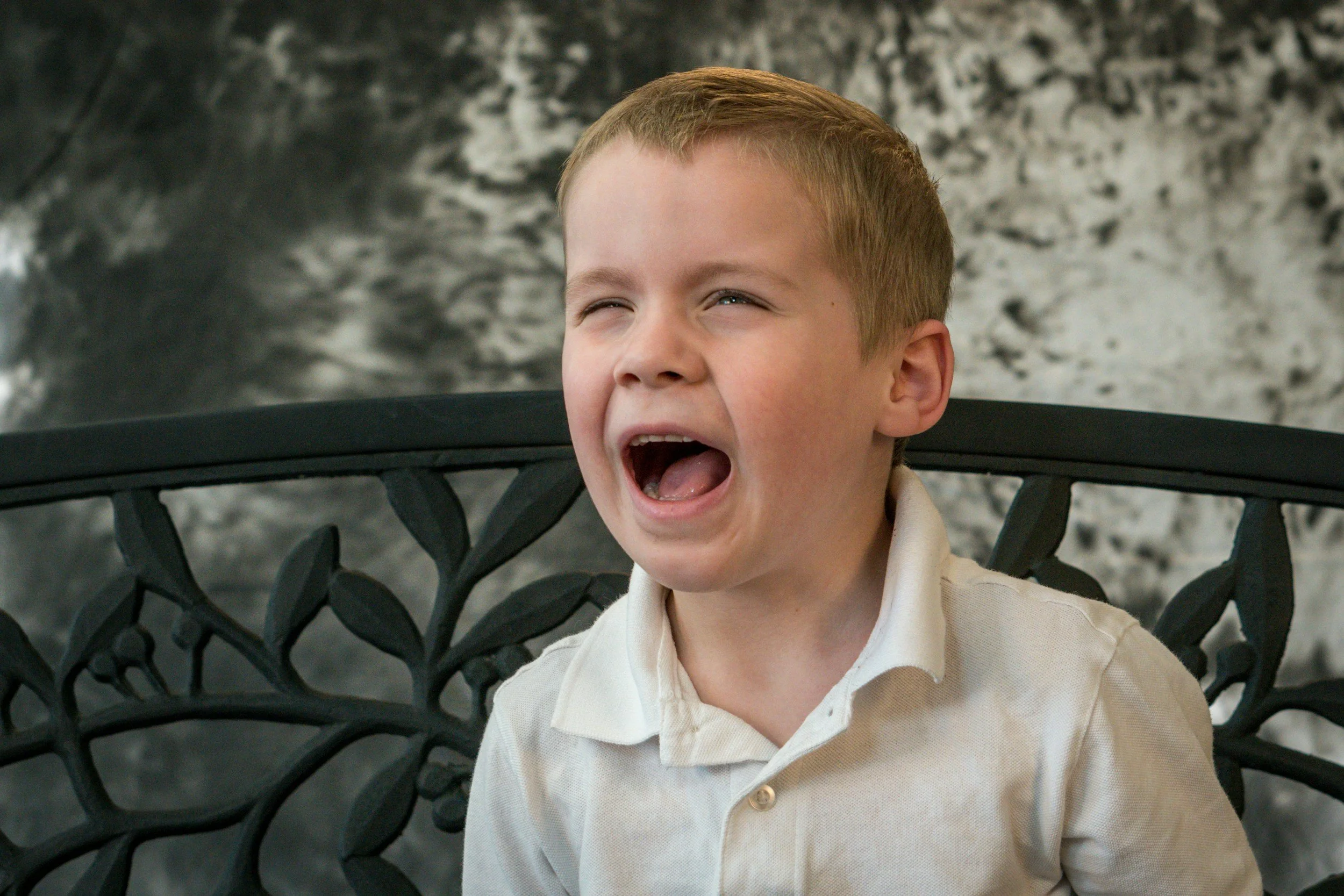
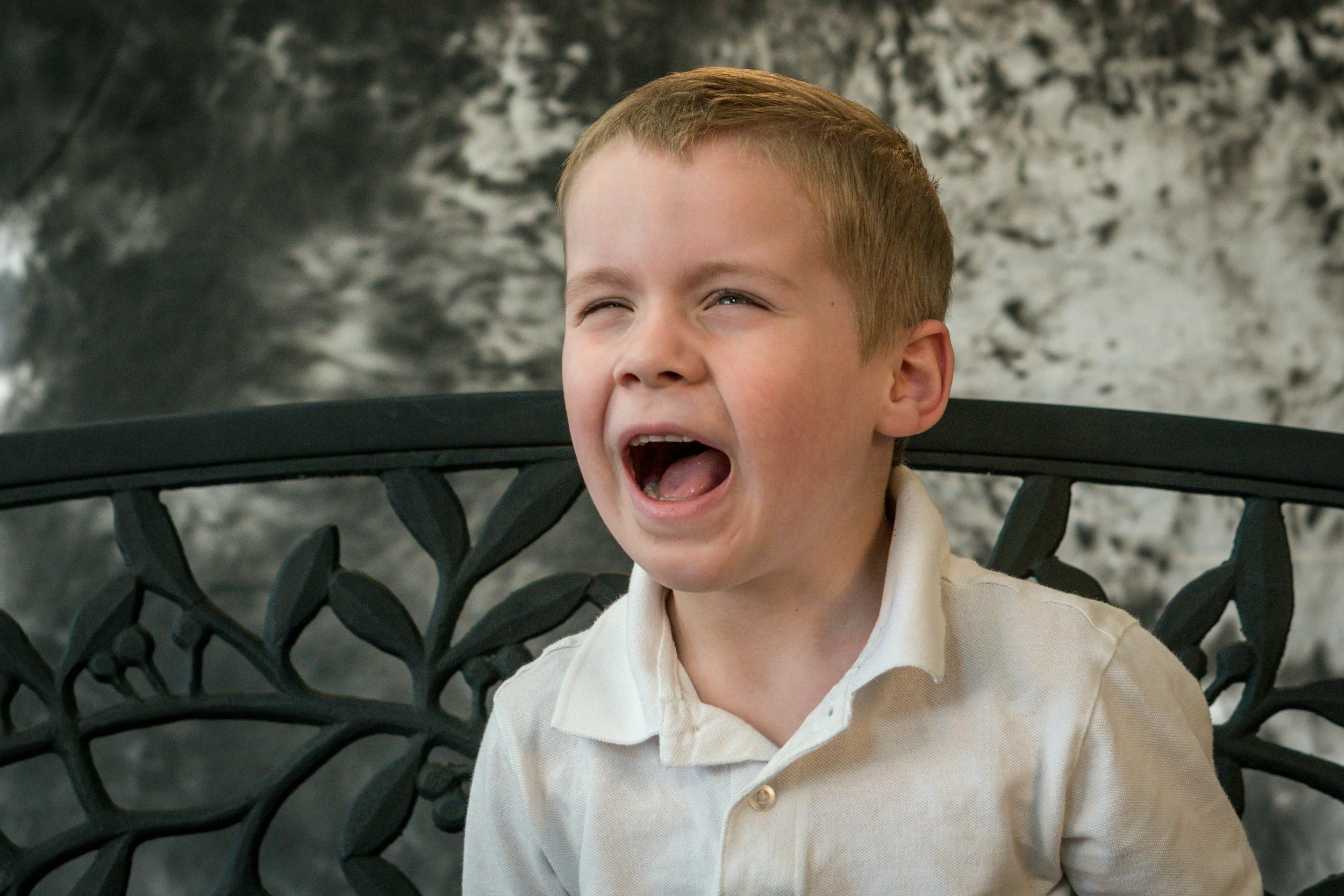
You pick up your child, ask how their day went, and before you even make it home, they're crying because you packed the wrong water bottle in their bookbag, their sibling looked at them, or you said no to candy for a snack.
My grandma, who taught first grade for many years, always reminds us of something every August: expect the meltdowns. She says the first two to four weeks of school are an adjustment for almost every child…even the big kids. They're learning new routines, meeting new classmates, getting to know a new teacher, and spending all day following directions. Even kids who absolutely love school can come home emotionally exhausted.
Every year, her reminder helps me breathe a little easier. It doesn't mean something is wrong with our kids—it usually means they're working incredibly hard.
They've Been Holding It Together All Day
Think about everything your child has done since the school bell rang that morning.
They've listened to teachers, followed directions, shared with classmates, waited their turn, solved problems, managed friendships, focused on schoolwork, sat still, remembered rules, and tried their best to make good choices. That's a lot of work.
For younger children especially, it takes an incredible amount of self-control.
By the time they climb into your car, many of them are simply out of emotional energy. I think of it as a child finally letting out everything they've been holding in.
Believe It or Not, It's Often a Compliment
This may sound strange, but when your child melts down with you instead of at school, it often means they feel safe. Home is where they know they don't have to pretend everything is okay.
That doesn't make the screaming any less exhausting, but it can help us see those moments a little differently. Instead of asking, "Why are they acting like this?" we can ask, "What do they need from me right now?" And it’s helpful to know that it’s only for a season.
What Helps in Our House
Every child is different, but I've found that a few simple routines make a big difference.
First, don't expect a detailed conversation the moment they get in the car. I ask one simple question, “What was your favorite part of your day?” After they answer that question, we turn on an audiobook to allow for a little time to decompress before they're ready to share anything else.
I also try to have a snack ready. Hungry kids rarely make good decisions, and a little protein and water can completely change the mood of the afternoon.
Whenever possible (which becomes a little more complicated as they get into sports), I avoid overscheduling the first hour after school. After spending all day following directions, kids often need a little freedom to play outside, build Legos, color, read, or simply relax.
Connection Before Correction
When emotions are running high, our first instinct is often to correct the behavior. Children usually respond better when they feel connected first. Sometimes that means offering a hug instead of a lecture. Sometimes it's simply saying, "It looks like today was really hard."
Once they're calm, that's the time to talk about what happened and how they can handle those feelings next time.
Give Yourself Grace Too
The hours between school pickup and bedtime can feel like a marathon. You're making dinner, helping with homework, managing activities, and trying to keep everyone happy.
Some afternoons will go smoothly….Others won't.
If today ended in tears—yours or your child's—remember what my grandma says every year: the first few weeks are an adjustment.
Give your child grace as they settle into a new routine. Give yourself grace as you help them through it.